Greta Perry · 2 September 2026
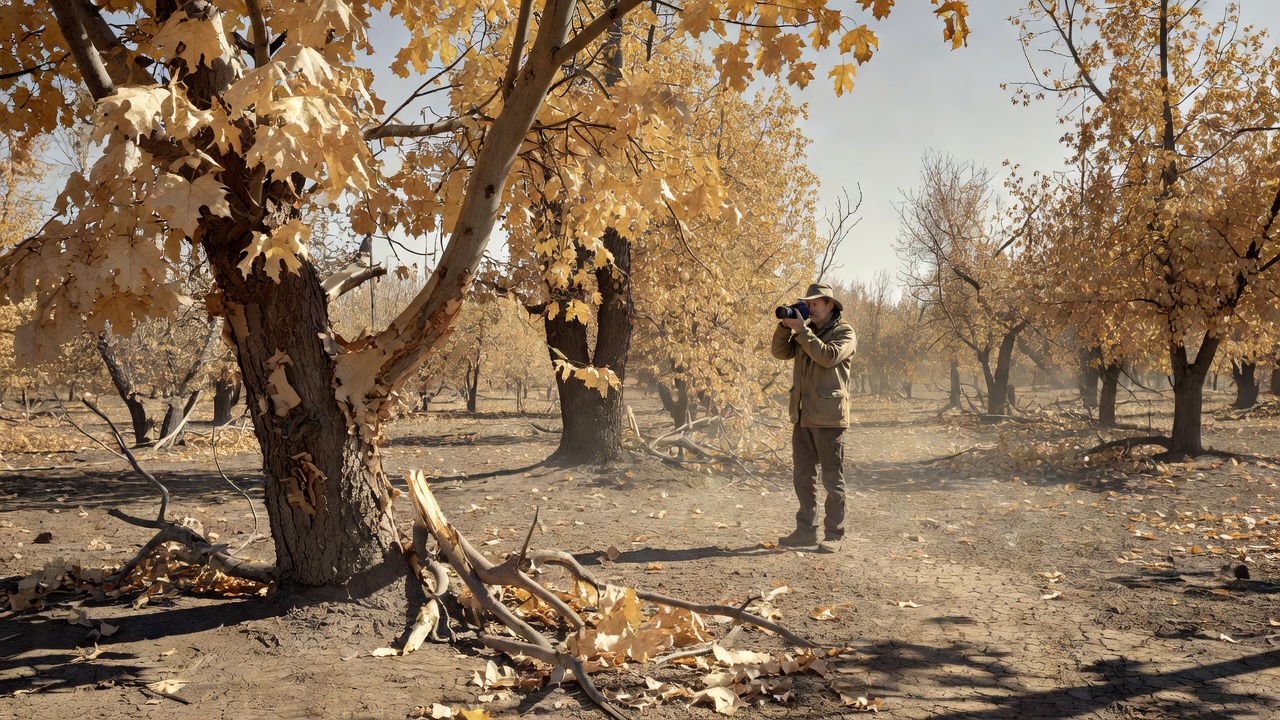
Maple Laboratory Research has released findings that connect rising temperatures directly to the observed decline in Polish maple populations. Over the last twelve years, field data from multiple regions show that Acer pseudoplatanus and Acer platanoides are particularly vulnerable. Average summer temperatures have increased by two degrees in many provinces, leading to physiological stress in these species. Additional data from long-term plots indicate changes in associated flora and fauna, with reduced understory diversity noted in declining stands.
Research Findings
The study involved detailed measurements of tree health indicators including canopy cover, bark condition, and annual growth increments. Results indicate a 30 percent increase in mortality rates among mature maples in areas with the highest temperature anomalies. Researchers noted that prolonged heatwaves in 2018 and 2022 coincided with spikes in disease outbreaks, such as fungal infections that thrive in warmer environments. Soil analysis further revealed diminished nutrient availability due to accelerated decomposition rates under higher heat.
Statistical models developed by the laboratory predict that without intervention, maple coverage could decrease by up to 40 percent by 2050 in central Poland. These projections are based on climate scenarios from the Polish Institute of Meteorology. The team emphasizes the importance of reforestation with climate-adapted stock to maintain ecological balance.
Future Recommendations
Forestry authorities are advised to implement monitoring programs using drone technology for early detection of stressed trees. Maple Laboratory suggests partnerships with local governments to establish protected zones where irrigation and shading measures can be tested. Public awareness campaigns could highlight the role of maples in carbon sequestration and urban cooling. The overall impact extends to recreational areas where maples are valued for their aesthetic appeal during autumn foliage displays.
International comparisons show similar trends in neighboring countries, underscoring the regional nature of the issue. Continued funding for genomic research may yield varieties better suited to future climates. The laboratory plans to publish detailed datasets for use by the scientific community.