Wendy Günther · 2 September 2026
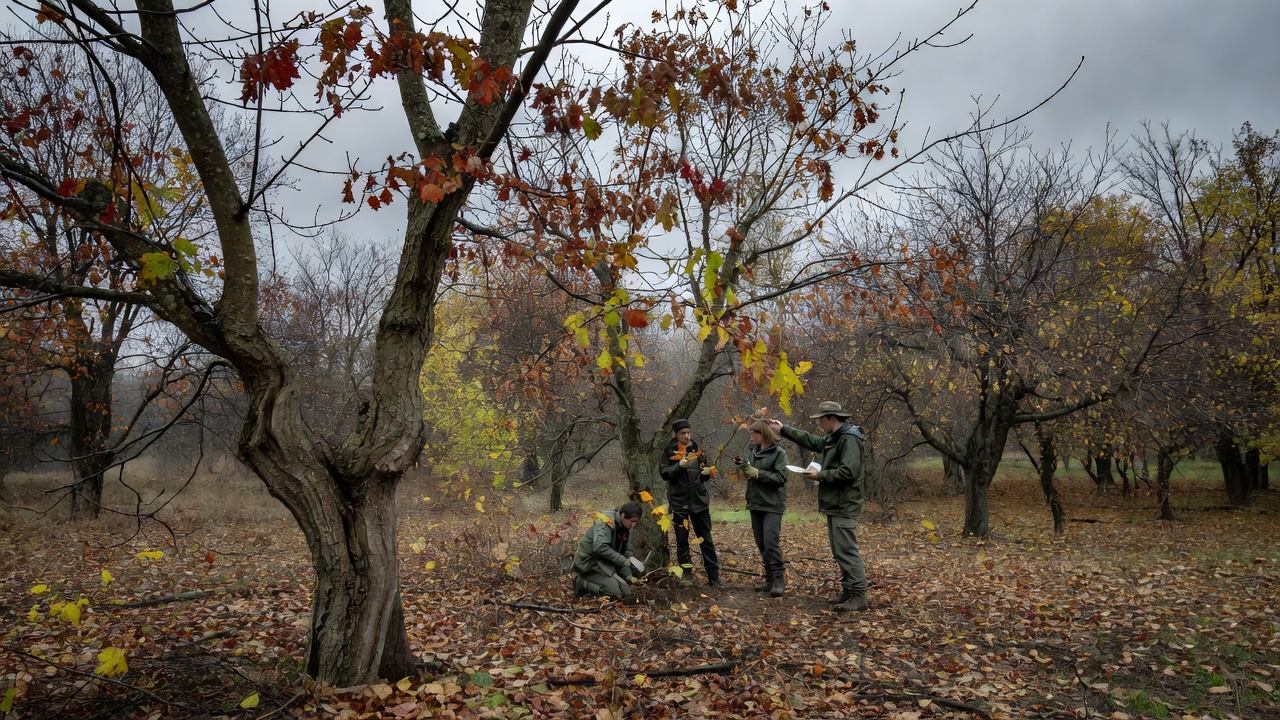
Researchers at Maple Laboratory have documented a significant decline in native maple populations across Poland, correlating strongly with sustained temperature increases over the past two decades. Data collected from monitoring sites in the Carpathian foothills and lowland forests indicate that average summer temperatures have risen by 1.8 degrees Celsius since 2000, placing stress on Acer platanoides and Acer pseudoplatanus stands.
Climate Factors Driving Tree Health Decline
Prolonged heat waves combined with reduced spring precipitation have weakened maple root systems and reduced sap flow efficiency. Laboratory analysis of tree cores reveals narrower annual growth rings beginning in 2015, coinciding with three consecutive years of above-average temperatures. Insect infestations, particularly by the maple webworm, have increased by 47 percent in affected regions as warmer conditions extend the pests' active season. Soil moisture measurements at 42 study plots show deficits exceeding 30 percent during critical growth periods, accelerating leaf scorch and premature defoliation.
Maple Laboratory scientists emphasize that these changes are not isolated events but part of a broader pattern observed across Central Europe. Comparative studies with cooler reference sites in northern Scandinavia show minimal similar symptoms, supporting the temperature linkage. Genetic sampling indicates that younger maple cohorts lack the drought tolerance observed in older trees, suggesting reduced adaptive capacity under continued warming scenarios.
Research Initiatives and Monitoring Efforts
The laboratory has expanded its remote sensing program using drone-based multispectral imaging to track canopy density changes in real time. Early results from 2023 indicate a 22 percent reduction in leaf area index across monitored Polish maple stands compared with 2018 baselines. Collaborative work with forestry agencies focuses on identifying resilient seed sources and testing supplemental irrigation protocols in experimental plots. Ongoing physiological studies examine how elevated temperatures alter maple carbohydrate storage, which directly affects winter survival rates.
Long-term projections from the research team forecast continued pressure on maple ecosystems unless regional temperature trends stabilize. The findings underscore the importance of integrating climate data into forest management strategies to mitigate further losses in Poland's maple populations.