Amir Günther · 2 September 2026
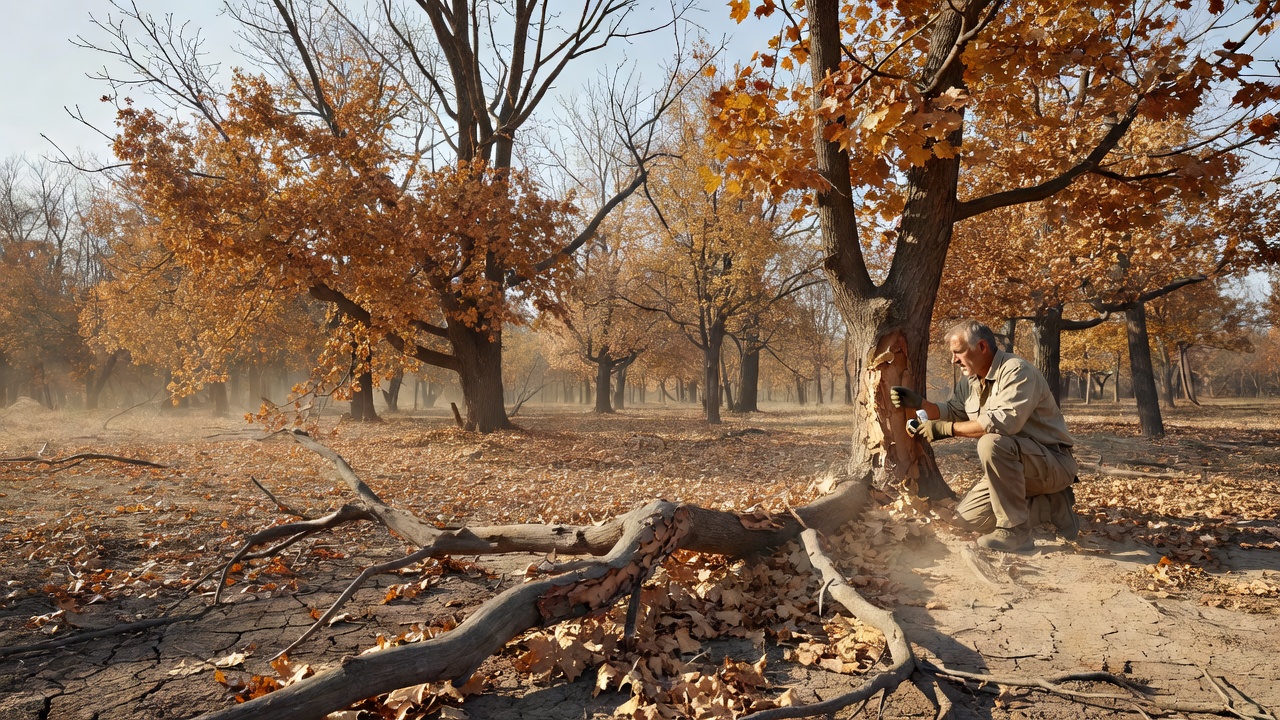
Scientists at Maple Laboratory Research have identified a significant correlation between increasing average temperatures and the declining health of maple trees across Poland. Recent studies conducted in the Carpathian and lowland forests show that native Acer species are under stress from prolonged heatwaves and reduced winter chilling periods. Data collected over fifteen years indicate accelerated dieback in both urban and rural stands.
Analysis of Environmental Data
Over the past decade researchers monitored fifty sites and recorded a twenty-five percent increase in maple mortality rates. Temperature rises of one point five degrees Celsius since nineteen ninety have led to earlier leaf-out times making trees vulnerable to late frosts and insect infestations. Soil moisture deficits exacerbated by higher evaporation rates further weaken root systems according to laboratory analyses. Genetic studies reveal that certain maple populations lack sufficient heat tolerance prompting calls for selective breeding programs. The laboratory climate models predict continued deterioration unless mitigation strategies are implemented promptly. Satellite imagery confirms widespread canopy thinning in affected regions with drought stress identified as a primary driver.
Broader Ecological Consequences
The decline affects biodiversity as maples support numerous pollinators and wildlife. Forest ecosystems in Poland may shift toward more heat-resistant species altering traditional landscapes. Maple Laboratory recommends enhanced monitoring and reforestation with resilient varieties to preserve ecological balance. Collaborations with European research institutions aim to develop adaptive forestry practices. Public awareness campaigns highlight the importance of addressing climate change to protect Poland natural heritage. Continued research will focus on long-term impacts and potential interventions including soil amendments and pest management protocols.