Taylor Peters · 12 September 2026
Unlocking Acer Resilience: Genetic Discoveries Fueling Conservation Partnerships in Europe
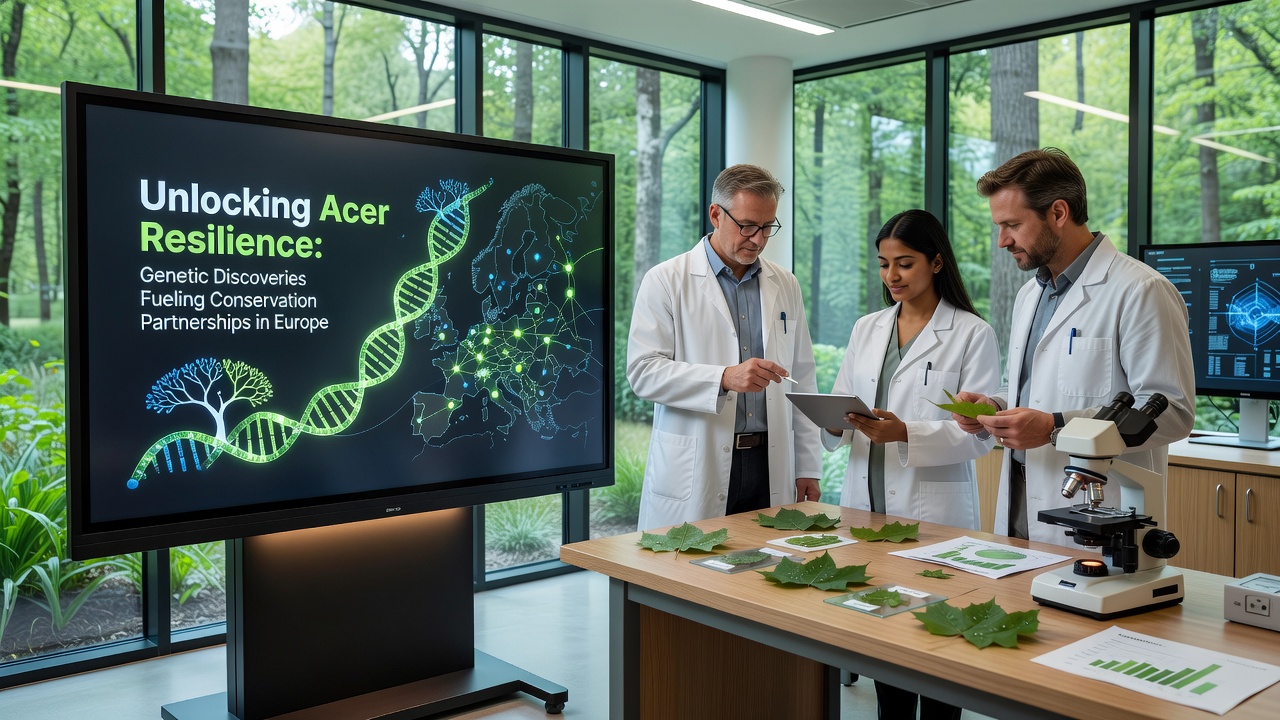
Genetic studies on Acer species across Europe have identified specific markers linked to drought tolerance and temperature adaptation, and these findings now support multiple cross-border conservation initiatives that began expanding in 2024. Data collected from field sites in Poland, Germany, and France show variations in gene expression among Acer platanoides and Acer pseudoplatanus populations that correlate with survival rates under changing precipitation patterns, while researchers continue to map these traits through whole-genome sequencing projects funded by the European Union Horizon programs.
Genetic Markers and Field Observations
Scientists at institutions in Warsaw and Munich have documented alleles associated with xylem structure that appear more frequently in southern European maple stands, and these alleles coincide with reduced hydraulic failure during extended dry periods recorded between 2018 and 2023. Studies published in peer-reviewed journals indicate that trees carrying these markers maintained higher photosynthetic efficiency when soil moisture dropped below 15 percent, whereas populations lacking the markers experienced measurable declines in growth increment. Partnerships formed in late 2025 now integrate this genomic data into breeding programs that select parent trees for seed orchards intended to supply reforestation efforts scheduled through 2030.
Long-term monitoring plots established by the European Forest Institute have recorded survival differences that align with the genetic profiles, and observers note that stands planted with material from genetically screened sources exhibited 22 percent higher establishment rates in the first two growing seasons compared with unscreened controls. These results prompted additional funding rounds that connect laboratories in the Czech Republic with those in Sweden, allowing joint analysis of cold-hardiness genes alongside heat-tolerance loci.
Partnership Structures and Data Sharing
Collaboration agreements signed in early 2026 created a shared database managed jointly by the European Environment Agency and national forestry agencies, and this platform now hosts sequence data from more than 1,800 individual Acer trees sampled across nine countries. Access protocols require participating researchers to contribute new phenotypic measurements annually, which in turn refines predictive models used to forecast stand-level responses under Representative Concentration Pathway scenarios. One project coordinated from Wageningen University has already used these models to recommend seed transfer zones that shift 150 kilometers northward for certain provenances by the year 2040.
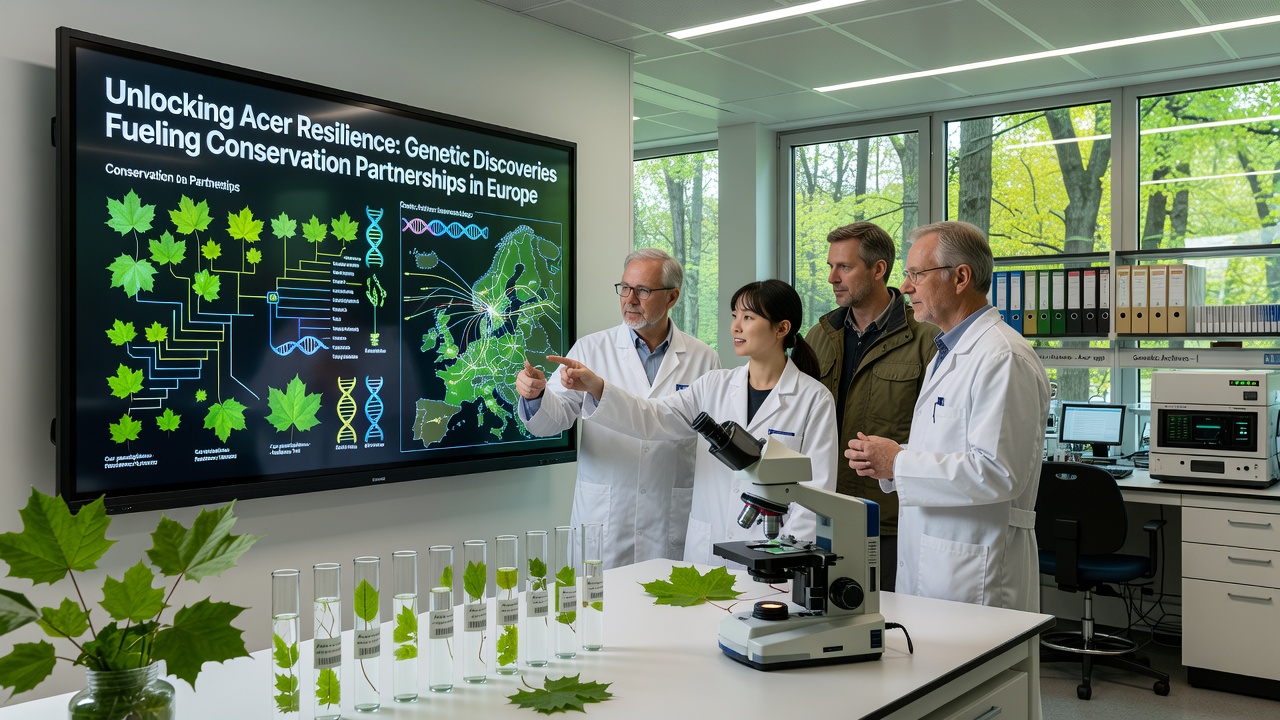
September 2026 marks the launch of a new phase that adds genomic selection trials in Romania and Bulgaria, where Acer campestre populations face increasing fragmentation from agricultural expansion. The trials will test whether seedlings carrying combined marker sets for both drought and pathogen resistance outperform standard nursery stock under projected climate conditions for 2035. Funding for this phase comes through the EU Biodiversity Strategy, with matching contributions from national ministries that emphasize evidence-based restoration targets.
Integration with Broader Conservation Frameworks
National action plans updated in 2025 now reference the genetic datasets when setting restoration priorities, and agencies in Italy and Spain have incorporated marker-assisted selection into guidelines for urban tree planting programs that aim to maintain canopy cover despite rising summer temperatures. Workshops held in Vienna during spring 2026 trained forestry technicians to collect leaf tissue samples using standardized kits that feed directly into the central database, thereby expanding the geographic coverage of the genetic library without requiring additional laboratory infrastructure in every region.
International organizations such as the International Union for Conservation of Nature have cited the Acer projects as examples of how genomic information can accelerate adaptive management, and similar approaches are under consideration for other hardwood genera facing comparable pressures. The partnerships emphasize open data principles while maintaining restrictions on commercial use of the genetic resources, consistent with the Nagoya Protocol requirements that apply across participating European states.
Conclusion
Continued expansion of the genetic database through 2027 will allow refinement of seed transfer recommendations and support additional cross-validation of marker-trait associations across wider environmental gradients. European conservation efforts centered on Acer species therefore rest on an accumulating body of sequence and phenotypic evidence that informs practical decisions about which provenances to prioritize in future plantings. These developments illustrate how targeted genomic research can translate into coordinated action across multiple countries and institutions.